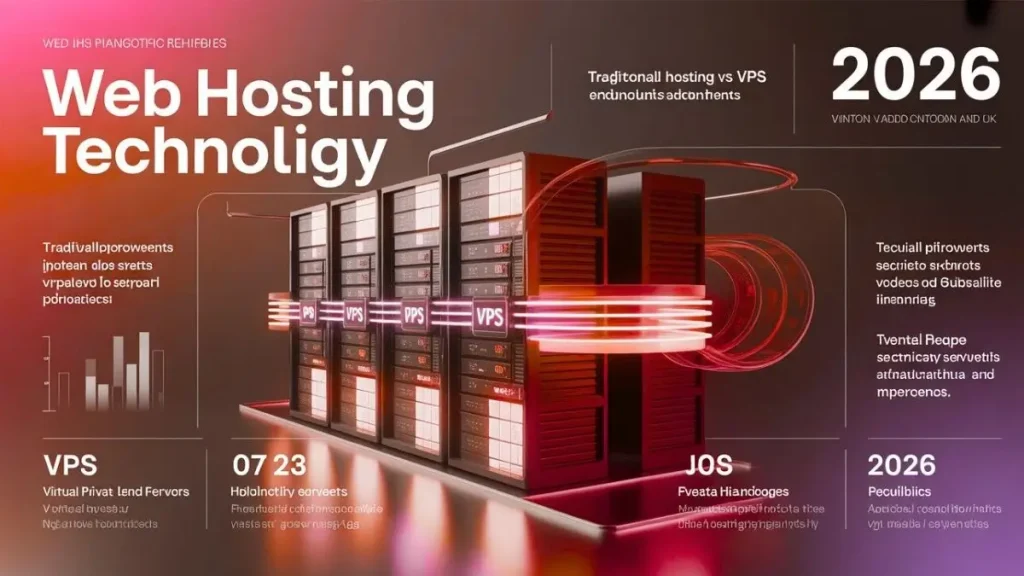
In 2026, virtual private servers, or VPSs, are now the foundation of contemporary online hosting. Traditional hosting approaches are no longer able to satisfy the demands of modern enterprises in the UK, particularly those located in London.
Performance, security, and scalability expectations have increased dramatically. These days, websites manage more traffic, run more sophisticated apps, and are more vulnerable to security threats than ever.
In order to comprehend how VPS is influencing web hosting choices in 2026, it’s critical to consider both the most recent technological advancements and the practical business requirements that are causing this change.
The Changing Web Hosting Landscape in 2026
This year marks a turning point for hosting infrastructure across the United Kingdom. The industry is going through major changes that are redefining how businesses, organisations, and individuals manage their online presence.
Virtualisation technology has matured significantly. What once required expensive dedicated servers is now possible with VPS hosting, offering far greater control and flexibility at a much lower cost.
Modern VPS platforms use advanced resource management systems that automatically adjust processing power based on real-time demand. This ensures stable performance even during peak traffic hours, which is critical for today’s always-online businesses.
Technical Foundations Driving VPS Growth
The architecture behind today’s virtual servers has evolved rapidly.
Many platforms now combine container-based deployments with traditional virtualisation, creating hybrid environments that improve efficiency and performance. Businesses searching for affordable VPS solutions often find enterprise-level features without the heavy financial commitment of dedicated hardware.
These systems rely on advanced hypervisor technology to maintain strong isolation between virtual environments while making the most efficient use of physical server resources.
Market Trends and Industry Response
Hosting providers across Britain have responded to growing VPS demand by expanding data centre capacity and launching new service tiers.
Increased competition has pushed prices down while raising overall service quality. Industry reports on virtual server adoption show steady growth, as organisations increasingly recognise the strategic advantages VPS hosting offers over traditional solutions.
Why Traditional Hosting Is Losing Relevance
Shared hosting is becoming less practical as websites grow in size and complexity. Performance issues, limited scalability, and security risks make it unsuitable for many modern use cases.
Because resources are shared across multiple accounts, traffic spikes on one site can affect others. Security weaknesses in one account may also pose risks to neighbouring websites—an unacceptable scenario for professional operations.
Industry experts point to several reasons why organisations are moving away from shared hosting:
- Limited ability to install custom software or frameworks
- Restricted access to server configuration and security settings
- Unstable performance during high-traffic periods
- Little control over backups and recovery processes
- Shared IP addresses that can affect email reputation
Dedicated servers solve many of these problems but require high upfront costs and ongoing technical expertise. VPS hosting fills this gap by offering dedicated-like performance at a far more accessible price.
Technical Innovations Behind VPS Adoption
One of the most important areas for advancement is storage technology.
High-end VPS services now come with NVMe SSDs, which offer significantly quicker read and write performance. Faster query execution results in faster page loads and an improved user experience, which is particularly advantageous for database-driven websites.
Networking and Connectivity Improvements
Network infrastructure supporting VPS platforms has also advanced significantly.
Redundant network paths help maintain uptime even during carrier outages. Seamless integration with content delivery networks (CDNs) allows assets to be distributed automatically across global locations.
These upgrades translate directly into faster websites, better reliability, and improved search engine performance.
Stronger Security by Design
As cyber threats grow more advanced, hosting security has had to keep pace.
Modern VPS platforms now include advanced firewalls, real-time intrusion detection, and automated threat response systems. These tools help identify and stop attacks before they cause damage.
Security updates and patches are applied without downtime, ensuring protection against new vulnerabilities while maintaining high availability.
Performance and Resource Planning for Modern Websites
Understanding present requirements as well as potential future development is essential to selecting the best VPS configuration.
The requirements for a static website are significantly different from those of an application-heavy or e-commerce platform. VPS setups that can scale resources during sales or promotional campaigns are especially advantageous for UK-based internet retailers.
Advanced monitoring tools provide detailed insights into how CPU, memory, and storage are used. This helps organisations avoid wasting money on unused resources or suffering performance issues from under-provisioning.
Making the Move to VPS Hosting
Migration planning plays a crucial role when switching hosting environments.
A seamless transfer is ensured by careful DNS management, comprehensive testing, and appropriate backups. These days, a lot of hosting companies provide migration support, which lessens the technical strain on businesses without internal IT teams.
Investing in VPS hosting delivers long-term value through better performance, stronger security, and greater control. Forward-thinking UK businesses understand that hosting decisions directly affect customer experience, reliability, and sustainable growth in 2026 and beyond.